 l’almont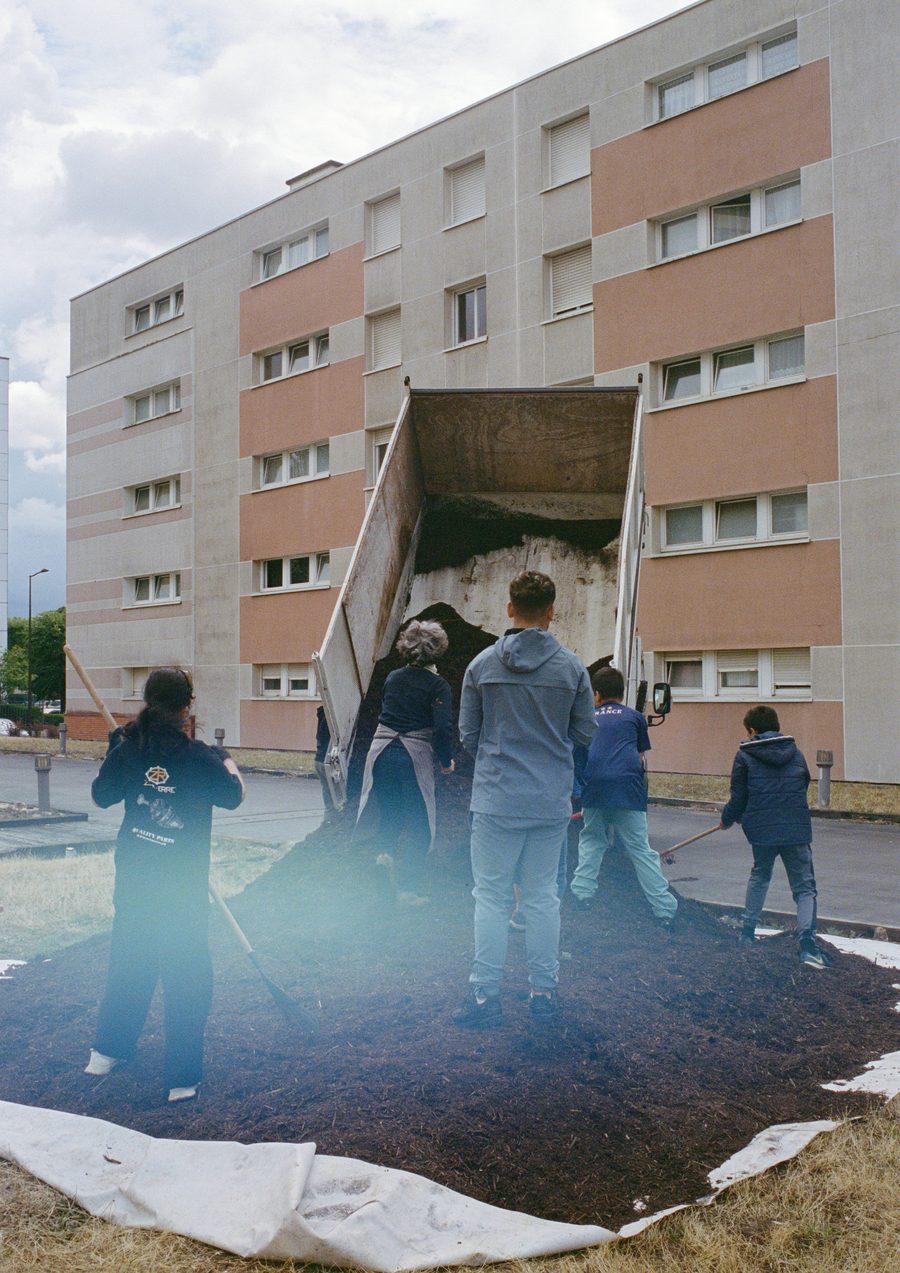
starting again from what was produced
Phase 2 does not start from scratch. The first phase made it possible to look at the esplanade, gather words, imagine transformations and try some of them out. Now the task is to consolidate the uses created, work on new spaces and document the transformations.
The roles become clearer: the partners in charge of the installations rely more on the material produced by residents, while mOst deepens the artistic inquiry, the documentation, the stories and the memory.
three connected spaces
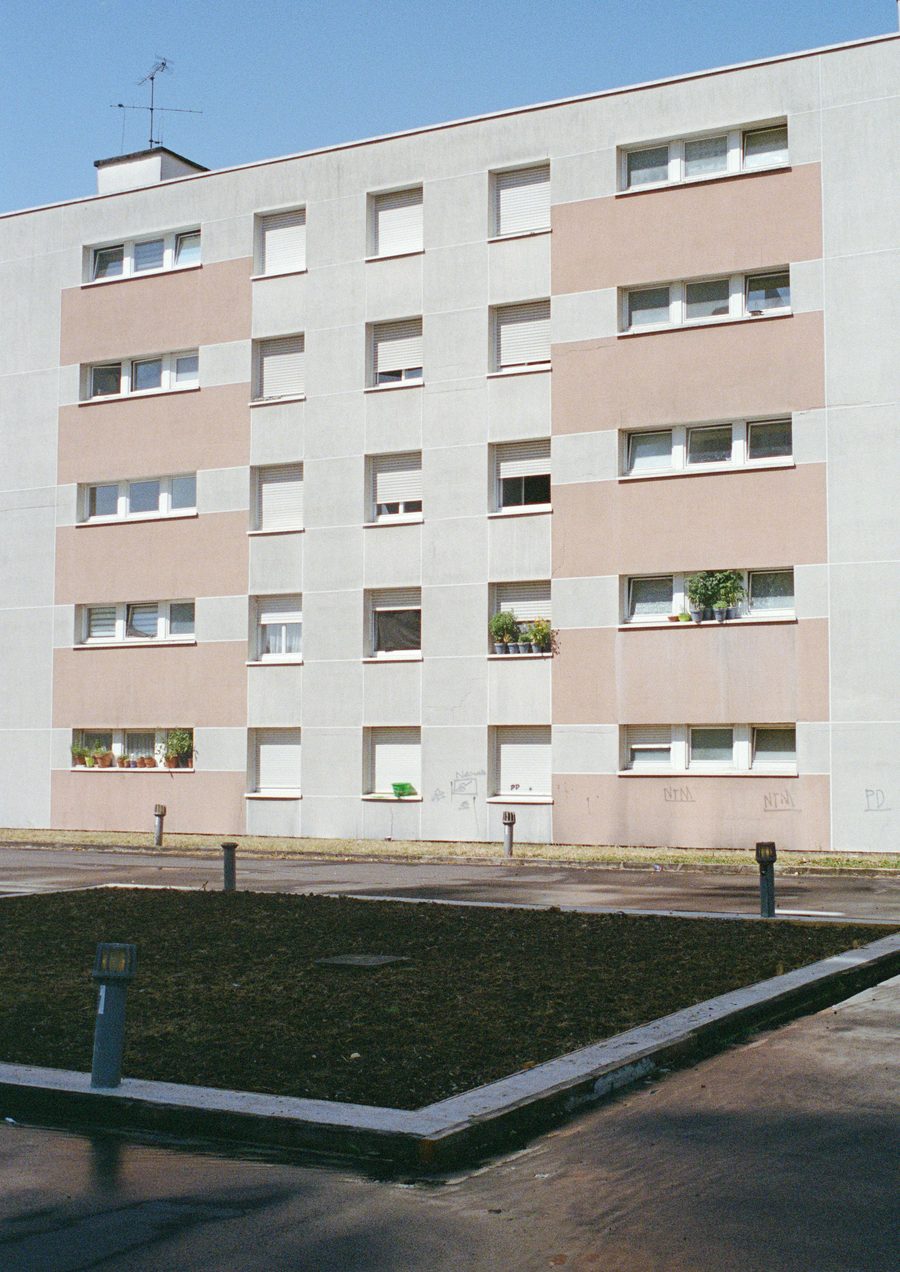
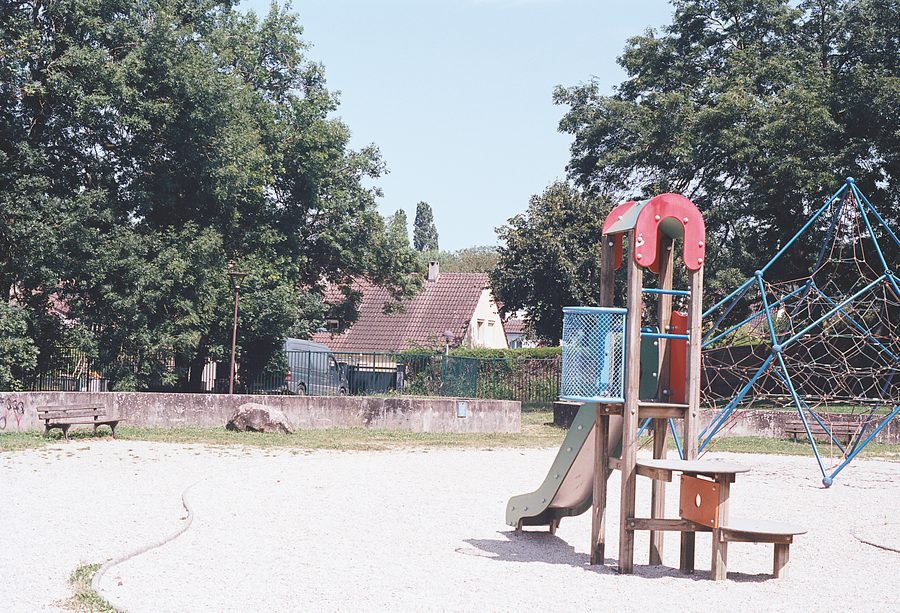
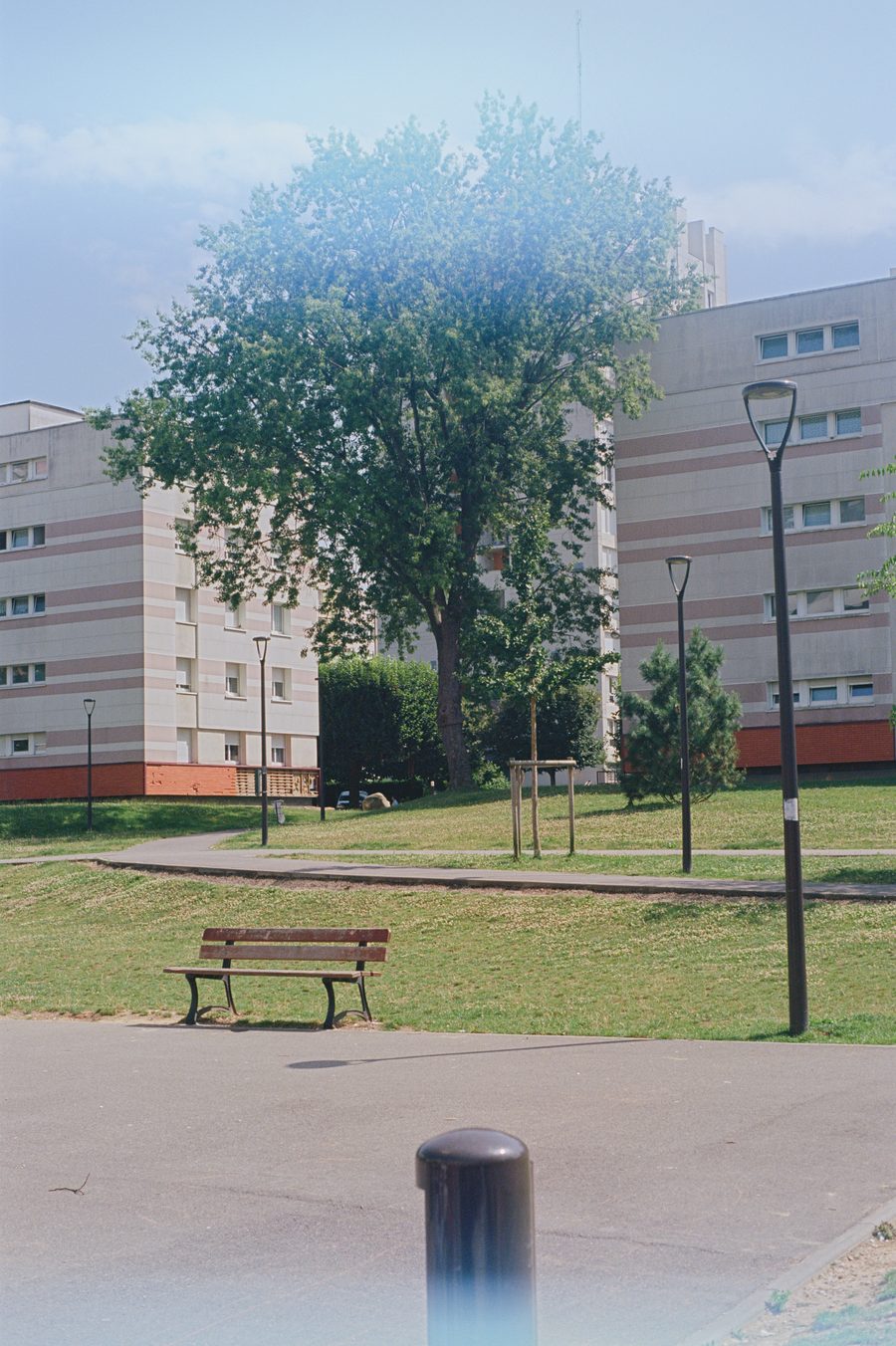
The work extends to three connected spaces. The project no longer looks at a single facility or an isolated esplanade, but at a system of public spaces and routes on the scale of a whole part of the neighbourhood.
five sessions around the plots
Visiting and photographing the spaces; drawing individual maps; pooling the proposals; deciding collectively how to organise the vegetable gardens, the furniture and the uses; then turning those decisions into drawings and representations that Au Milieu and Gygo can use directly.
fifteen proposals, almost a programme
The proposals made by the participants are very concrete — the mapping no longer works only as an exercise in imagination, it becomes a programme of uses. Fifteen of them, drawn or photomontaged, were transcribed for La Boussole, Gygo and Au Milieu.
what the street interviews say
A neighbourhood seen as lively, young and cosmopolitan, where places to meet, play, sit down and find shade are lacking.
A large share of the people interviewed did not yet know about the redevelopment project under way — and a very large majority said they were willing to take part. So the challenge is not only to ask residents what they want: it is to make the transformations legible and to multiply the ways into the consultation.
a film in three tenses
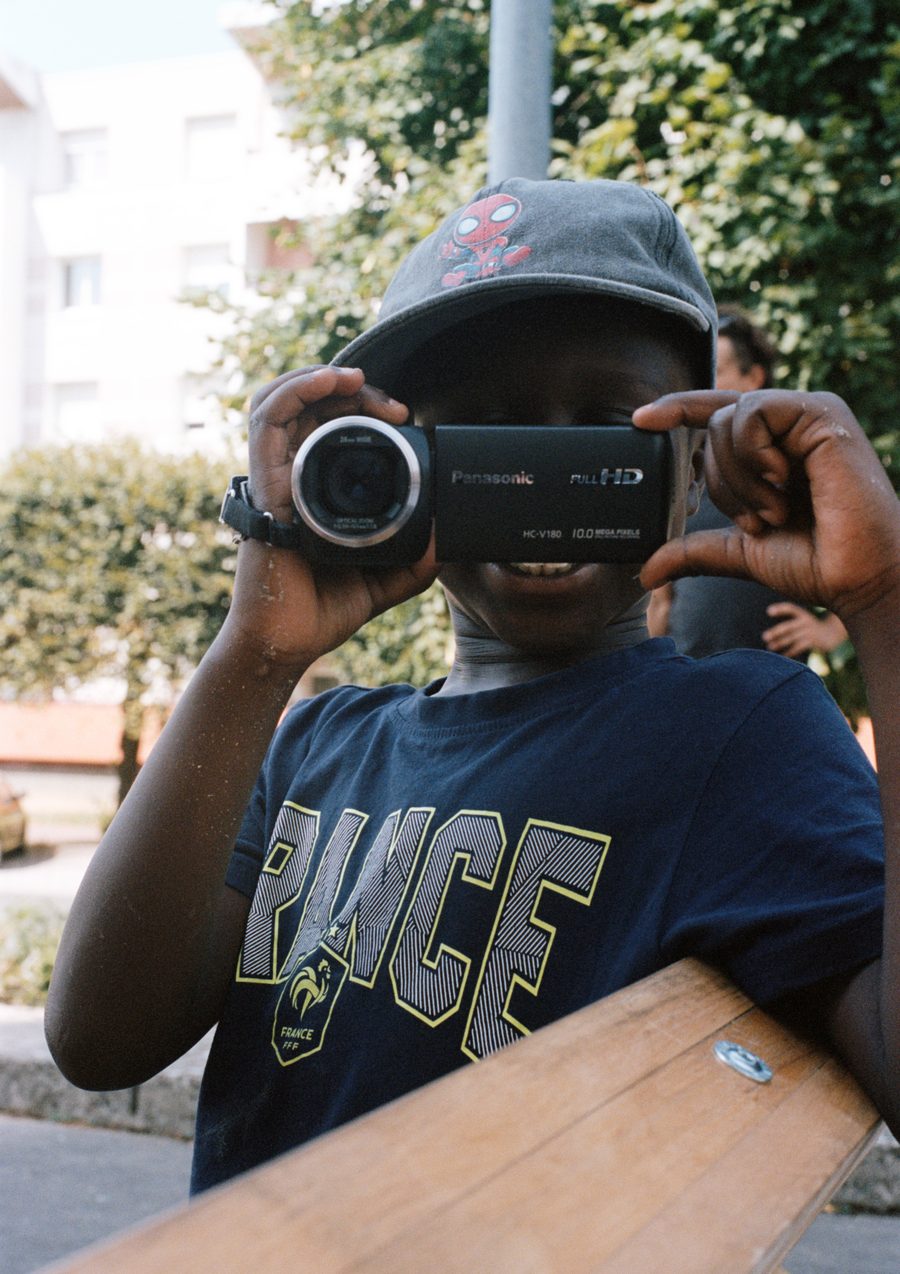
Season 2 strengthens the video work. The film must weave together the history of the neighbourhood, the present situation and the imagined futures: gathering the memory of past transformations, filming the esplanade before and during the changes, and setting these stories against ordinary scenes of neighbourhood life — so that the film remains that of a lived-in neighbourhood, not a construction-site film.
The work is carried out with filmmakers trained at the Ateliers Varan: preparing the interviews, thinking about the situations to film, handheld or on a tripod, relating words and images. The project is thus gradually building an audiovisual archive of l’Almont.
towards a phase 3
The presentation of volume 2 opens onto a third phase: pursuing the concrete experimentation, finishing and deepening the documentary work, and organising the handover of the whole body of work so that it remains accessible locally and becomes a true living archive of l’Almont. The central question can then shift from “how do we imagine our neighbourhood?” to: “what has become of what we imagined, and how do we want to go on living in l’Almont?”
what has become of what we imagined, and how do we want to go on living in l’almont?